Drivers usually put a phone number on the windshield for a good reason. They want people to reach them when a car blocks a driveway, takes someone else's spot, or needs attention. The intention is helpful. The privacy cost is the issue.
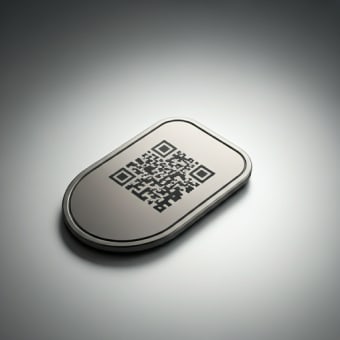
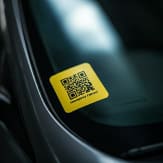
A QR car sticker tries to keep the helpful part while reducing the exposure. Both options have strengths and limitations, so the safest choice depends on what you value: simplicity, privacy, context, and control.
Option 1: A phone number on the windshield
The biggest advantage of a phone number is that everyone understands it. No scan is required. A person can call or send an SMS immediately. For small towns, private offices, or short-term situations, this may feel convenient.
The disadvantage is full public exposure. The number can be copied by anyone, saved forever, added to groups, used for spam, or contacted for reasons unrelated to the car. Once the number is printed, you cannot control who has it. If you change the number, the sticker becomes outdated. If the car is sold, the old number may stay on the glass by mistake.
Option 2: A paper note
A paper note is cheap and temporary. It works if you are parking somewhere briefly and expect a possible issue. But paper notes fade, fall, curl under heat, and look unprofessional. They also expose the number just like a sticker does. In Pakistani summers and monsoon weather, paper is not a reliable long-term contact method.
Option 3: A QR car sticker
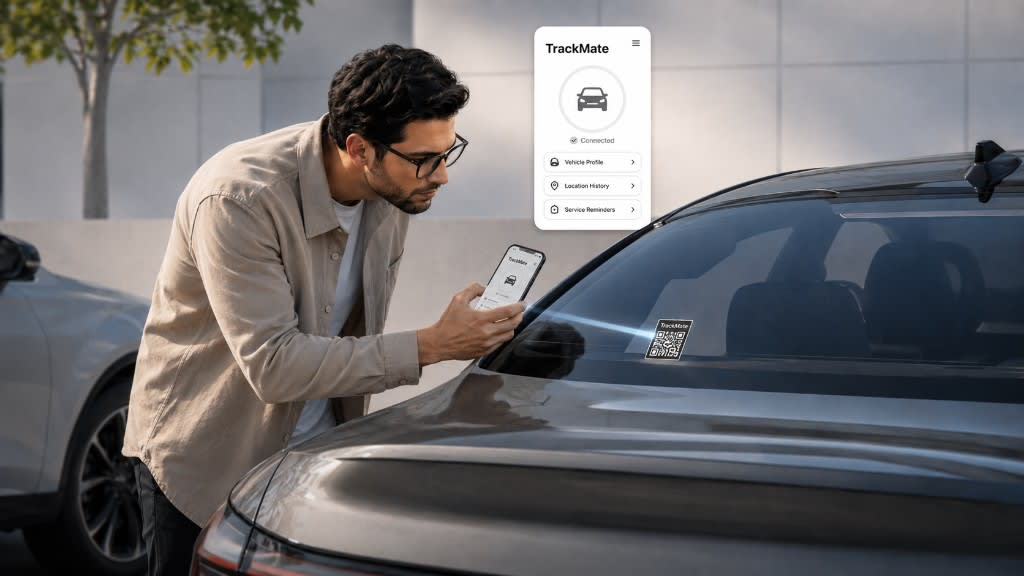
A QR sticker requires one scan, but it can keep the owner's number private. In TrackMate's workflow, the scanner opens a web gateway and can message or start a private browser call. This means the car owner stays reachable without displaying a mobile number publicly.
The trade-off is that the scanner needs a smartphone and internet access. The QR must be placed where it can be scanned. The owner must activate and maintain the contact route. These are manageable requirements for most urban parking scenarios, but they should still be understood.
Privacy comparison
A public number shares the most information. A QR sticker shares the least, because contact happens through an intermediate page. This is important for families, women drivers, professionals, and anyone who does not want their personal mobile number visible in a street, market, or basement parking area.
A QR sticker also creates a more purposeful interaction. The scanner is on a page related to the vehicle issue, not just calling a random number. That can encourage clearer messages and reduce casual misuse.
Reliability comparison
A phone number wins for absolute simplicity. A QR sticker wins for privacy and updateability. A strong QR system should be tested after installation, use a clear code, and work from a normal phone browser. Owners should not hide the sticker behind tinting, wipers, or reflective glare.
Which is safer?
If you only care about the fastest possible contact and do not mind public exposure, a phone number is simple. If you want to be reachable while keeping your number private, a QR car sticker is the safer everyday choice. It gives neighbors, guards, and passers-by a contact route without turning your phone number into public parking-lot information.
For Pakistani drivers who deal with society parking, offices, malls, schools, and crowded streets, the TrackMate QR car contact sticker offers a practical middle ground: reachable when needed, private by default.