Car owners in Pakistan often need a way to be reachable without making their mobile number public. A blocked gate in a housing society, a car parked too close in a mall basement, lights left on outside an office, or a small scrape in a crowded street can all require quick contact. The old solution is simple but risky: write a phone number on a paper note or print it on a windshield sticker. That works for contact, but it also exposes your number to everyone who walks past the vehicle.
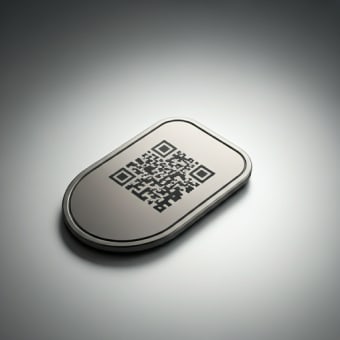
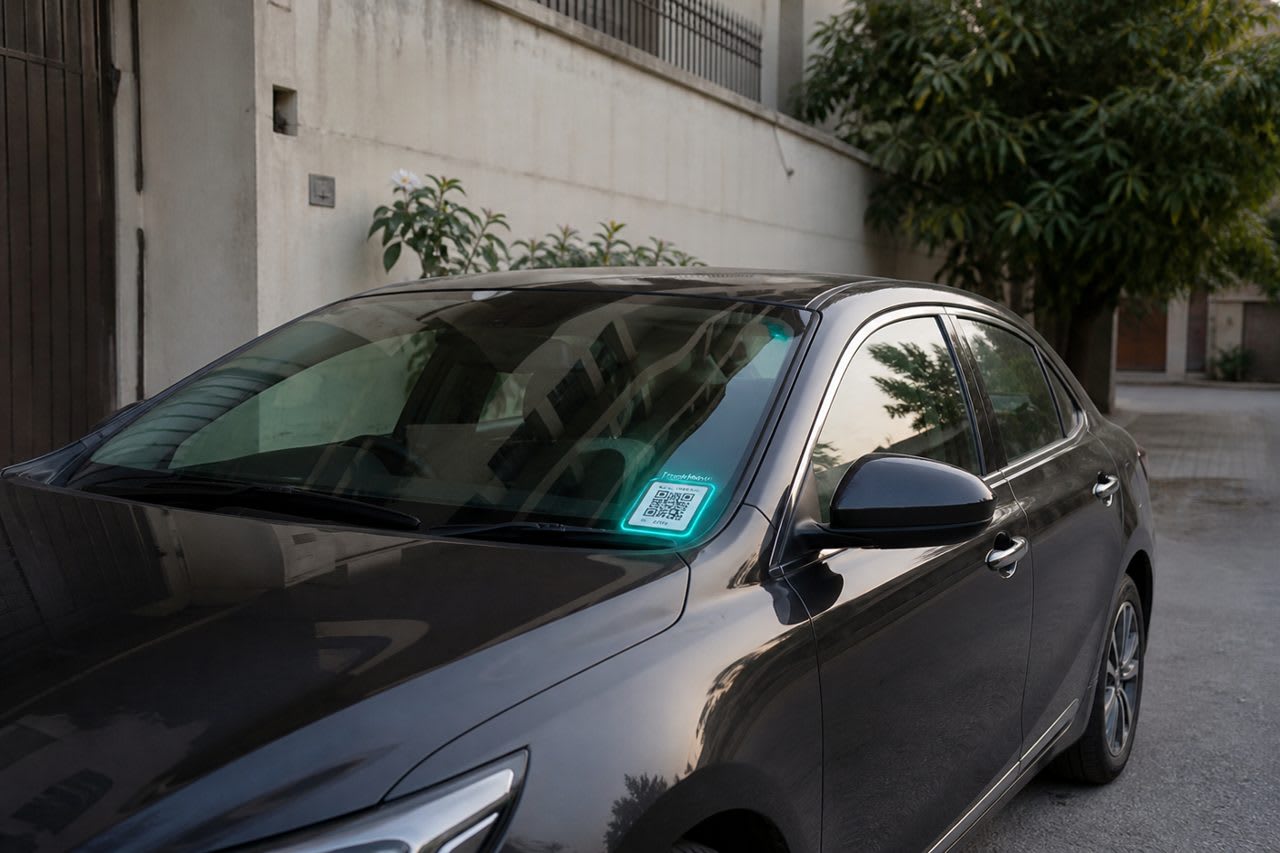
A QR car sticker is a more private version of that idea. Instead of displaying a phone number, the sticker carries a QR code linked to a contact gateway. When someone scans it, they open a page where they can send a message or start a private browser call. The purpose is not to make the car owner anonymous to the platform; it is to avoid publishing the owner's number on the glass for strangers to copy, save, or misuse.
What a QR car contact sticker is
A QR car contact sticker is a small physical sticker placed on the windshield or another visible part of a vehicle. The QR code acts as a contact doorway. In TrackMate's workflow, the sticker is activated by the owner, and a scanner is sent to a secure web gateway. The scanner does not need to install an app, create an account, or know the owner's phone number. They simply scan and choose the contact option available on the page.
This is useful because the most common vehicle contact moments are practical, not dramatic. A neighbor may need the car moved. A guard may notice a window open. A shopkeeper may see a minor bump. A passer-by may spot something that needs attention. In those cases, the best outcome is fast contact with minimum personal exposure.
Where it helps in Pakistan
Parking pressure is common in Lahore, Karachi, Islamabad, Rawalpindi, Faisalabad, Multan, and other busy cities. Apartment basements, school gates, markets, hospitals, offices, and wedding halls all create moments where cars block access or need owner attention. A QR parking sticker gives people a simple way to reach the owner without shouting around the building or sharing a mobile number in public WhatsApp groups.
The same sticker can also help in small roadside situations. If headlights are left on, a child has opened a door into another car, a guard sees a damaged side mirror, or a passer-by notices smoke or a puncture, the QR code gives them a contact route. It does not replace police, rescue, insurance, or roadside assistance. It simply gives helpers a private way to alert the owner.
How the scan process works
- The owner buys and activates the registered TrackMate QR car sticker.
- The sticker is placed where it can be scanned safely without touching the vehicle.
- A scanner opens their phone camera or the TrackMate browser scanner.
- The QR opens the TrackMate contact gateway for that vehicle.
- The scanner sends a message or starts a private browser call.
- The owner receives the alert and responds without revealing a public phone number.
Why privacy matters
A mobile number is not just a contact detail. In Pakistan it can be linked to messaging accounts, delivery profiles, banking alerts, family groups, and identity checks. Printing it on a windshield gives every passer-by the chance to save it. Many drivers, especially women and families, understandably avoid public number stickers because of spam or unwanted contact.
A QR approach reduces that exposure. It lets contact happen for a real reason, through a controlled gateway, while keeping the number off the vehicle. It also looks cleaner than handwritten paper and can be updated through the platform instead of replacing a printed phone number every time details change.
Choosing and using a QR car sticker
Look for a sticker that is weather-resistant, easy to scan, and tied to a contact system that actually protects the owner's number. Place it where it is visible but does not block the driver's view. Test it after installation. If you sell the vehicle, remove the sticker or update the assignment before handing the car over.
TrackMate's QR car contact sticker is built for this use case in Pakistan: parking alerts, emergency contact, and private owner communication without a public windshield number.